Roof Cleaning Before Applying Roof Coating: A Failure-Proof Process
Roof cleaning before applying roof coating is mandatory preparation for removing dirt, oils, biological growth, loose coating, and chalk that interfere with adhesion. The correct process is substrate-specific: inspect and repair first, clean without damaging the roof, rinse away residue, verify dryness, then apply only compatible primer and coating within the manufacturer’s weather limits. Key […]
Lichen vs Moss on Roof Shingles: Which Causes More Damage?
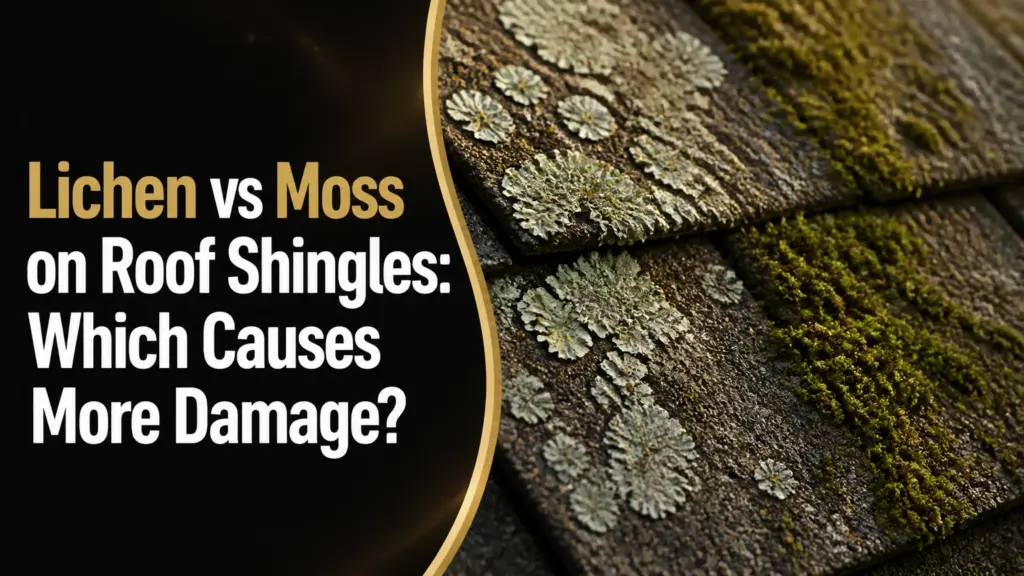
Moss and lichen are different organisms that damage roof shingles in different ways. Moss mainly retains moisture and can lift shingle edges, while lichen attaches tightly to granules and is usually harder to remove without worsening surface loss. Moss is generally easier to treat, but neither growth should be scraped aggressively or pressure-washed. Key Facts […]
Does Moss Cause Roof Leaks? Damage and Fixes
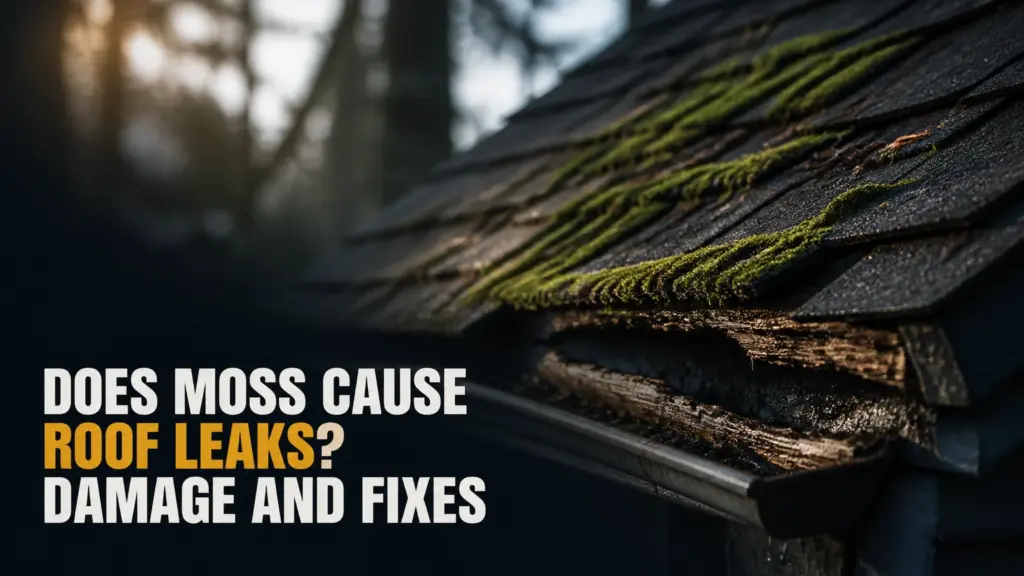
Moss can contribute to roof leaks, but moss does not usually puncture sound roofing by itself. Dense moss retains moisture, traps organic debris, lifts or separates shingle edges, and conceals failed flashing or deteriorated materials, allowing water to reach the underlayment and roof decking. Key Facts at a Glance Does Moss Cause Roof Leaks? Moss […]
Roof Cleaning After Tree Removal: Safe 7-Step Process

Roof cleaning after tree removal should begin with a damage inspection, followed by dry debris removal, material-compatible washing, gutter flushing, and a final roof check. The safest method depends on the roofing material, pitch, roof age, and contamination. High-pressure washing is usually unsuitable for asphalt shingles, slate, clay tile, and wood shakes. Key Facts at […]
Why Do Roof Stains Come Back After Cleaning? Lasting Fixes
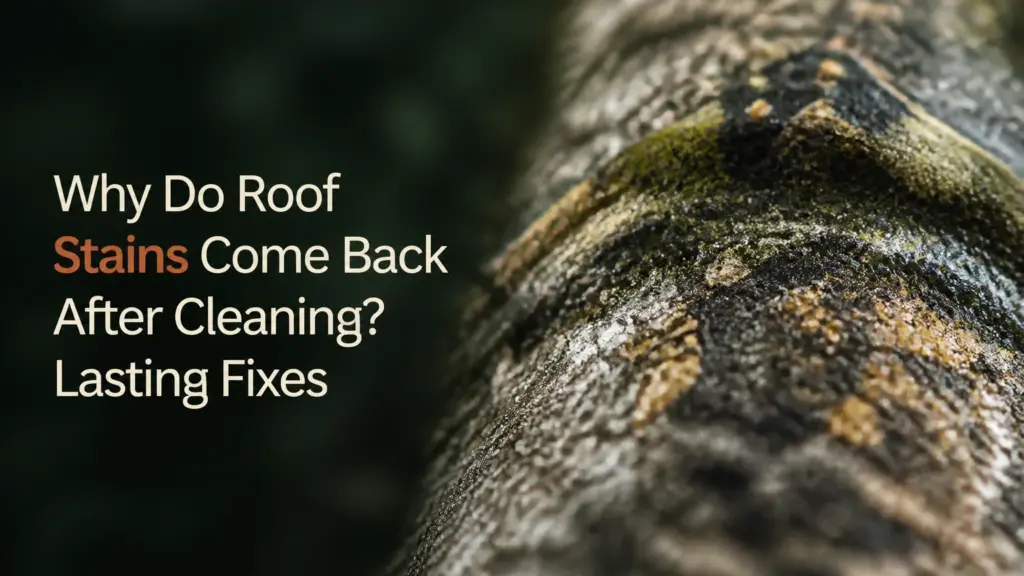
Roof stains come back after cleaning when algae, moss, lichen, or organic debris remains in shingle pores, or when airborne growth reseeds the roof after treatment. Black streaks commonly involve the cyanobacterium Gloeocapsa magma, but recurring discoloration can also result from moisture retention, rust, tannins, soot, or a cleaning method that removed appearance without addressing […]
Roof Algae vs Roof Mold Identification: Safe Diagnosis
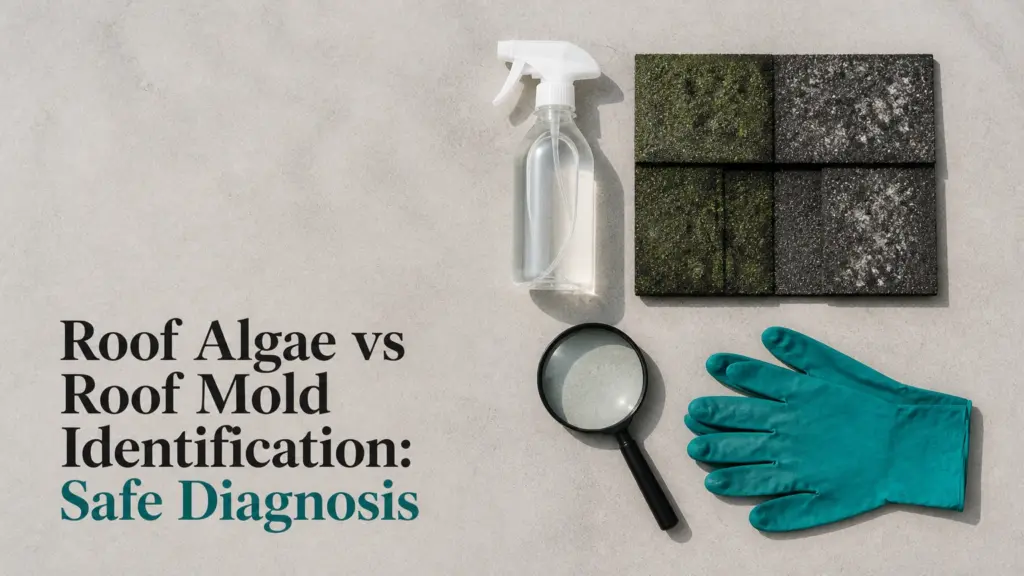
Roof algae vs roof mold identification depends on more than color: algae usually creates flat, broad dark streaks on sun-exposed asphalt shingles, while mold indicates persistent moisture and often appears in concealed, irregular, or three-dimensional patches. Because dirt, moss, lichen, rust, and roof shadow can look similar, confirm the growth pattern and inspect the attic […]
Why Do Roof Shingles Turn Green? Causes and Safe Fixes
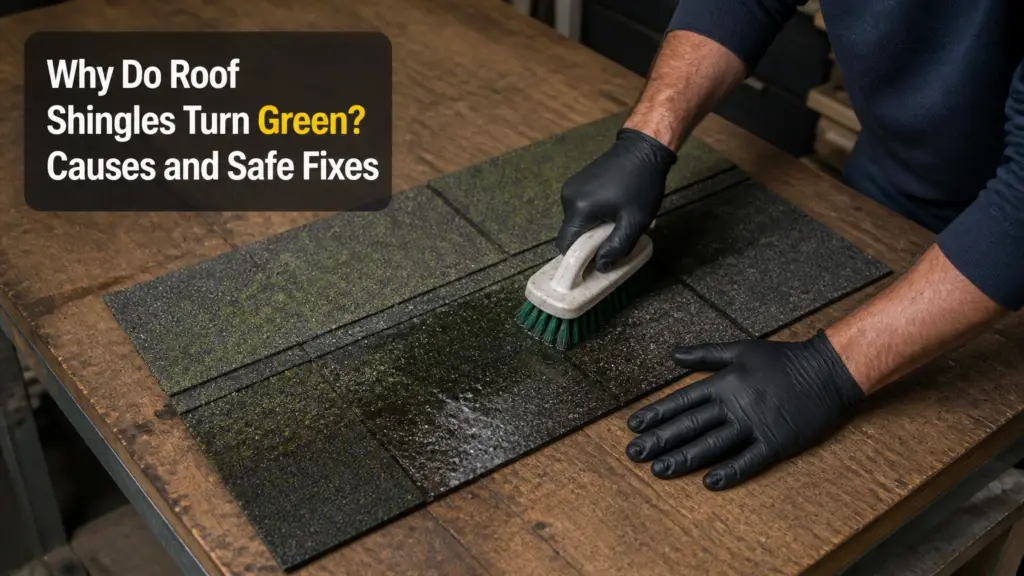
Roof shingles turn green primarily because moisture-loving organisms colonize the surface, especially cyanobacteria that create green or black stains, moss, and lichen. Shade, north-facing slopes, trapped leaves, humid air, poor drainage, and roof leaks increase the time shingles stay damp. Green discoloration can be cosmetic, but moss and lichen may dislodge granules and damage aging […]
Roof Cleaning for Older Asphalt Shingles: Safe Methods

Roof cleaning for older asphalt shingles should use a low-impact chemical treatment, not pressure washing or aggressive scraping. First inspect granule loss, cracking, exposed fiberglass, loose tabs, and roof age; if the shingles are failing, cleaning can worsen damage and replacement is safer. For sound but stained shingles, controlled biocide application, runoff protection, and minimal […]
How Roof Orientation Affects Algae Growth: What to Check
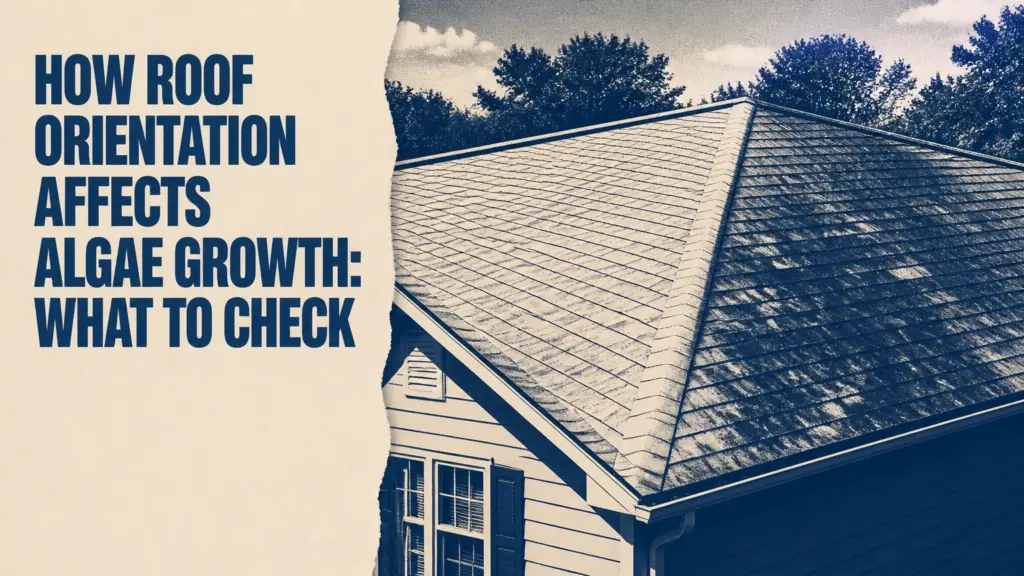
Roof orientation affects algae growth by changing how long roof surfaces remain wet and how much direct sunlight and ultraviolet radiation they receive. North-facing slopes usually have the highest risk in the Northern Hemisphere, but roof pitch, latitude, tree shade, roof material, ventilation, and nearby buildings can reverse that pattern. Key Facts North-facing roof slopes […]
Why Does Roof Moss Grow Faster on Shaded Areas? Moisture Explained
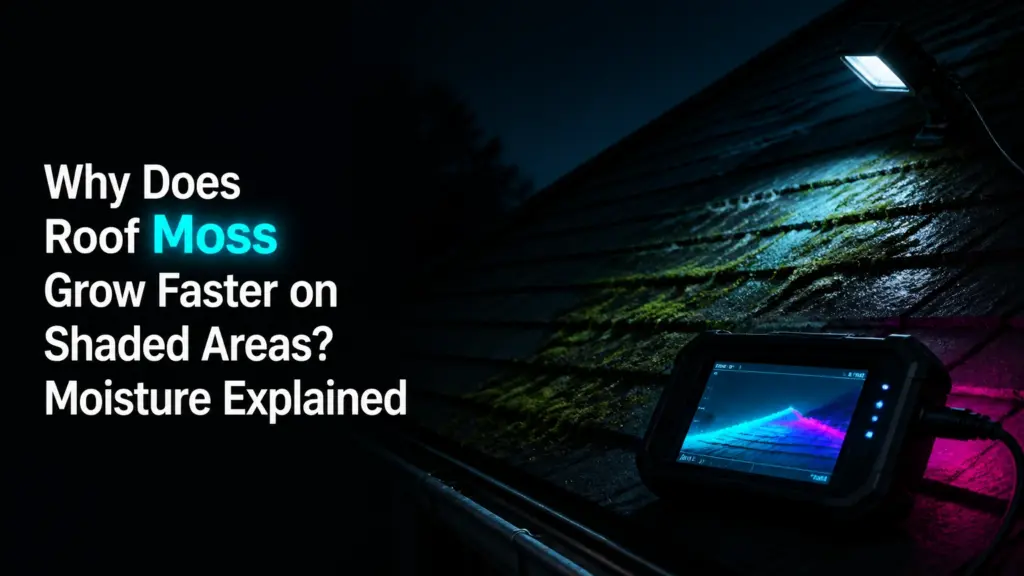
Roof moss grows faster on shaded areas because shade keeps roofing surfaces cooler and damp for longer, while moss absorbs water across its exposed tissues. Reduced sunlight also slows evaporation and often coincides with poor airflow under trees or beside buildings. Moisture duration, not darkness alone, is the main driver of roof moss growth. Key […]