Why House Siding Looks Faded After Washing: Causes and Fixes
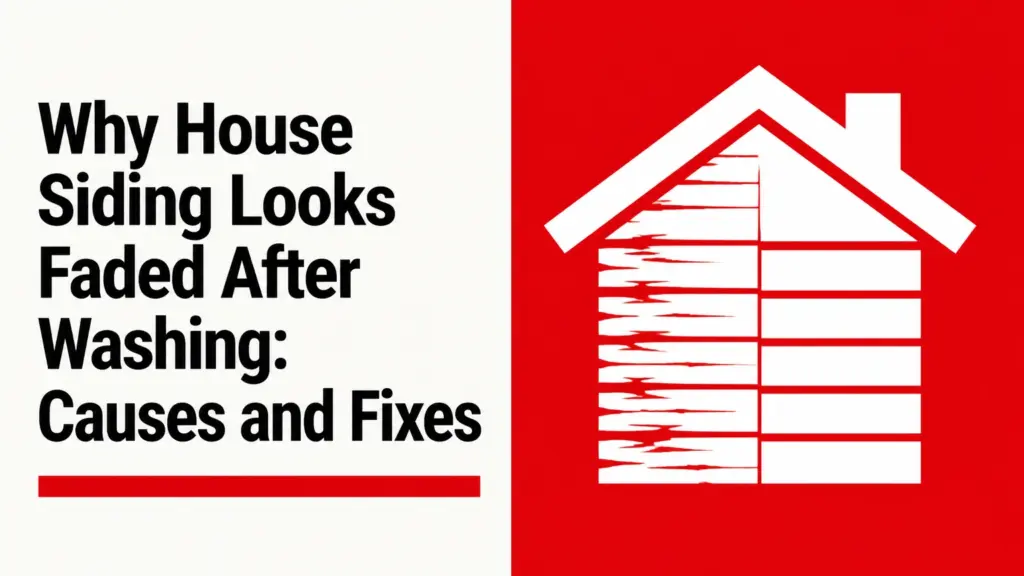
House siding looks faded after washing primarily because cleaning removes dirt, algae, and pollution that had been hiding ultraviolet-damaged surface material. The exposed layer may be oxidized, chalky, or unevenly stripped by pressure, so the siding appears lighter or patchier after drying even though the wash did not create all of the damage. Key Facts […]
How Often Should Vinyl Siding Be Cleaned? A Practical Schedule
Vinyl siding should usually be cleaned once a year, preferably in spring or early fall, to remove dirt, algae, mold, mildew, and pollen before buildup becomes difficult to remove. Clean shaded, humid, wooded, or pollution-exposed walls every six months, while a dry, sunny home may need only annual cleaning plus periodic spot treatment. Key Facts […]
How to Remove Spider Webs From House Exterior Safely
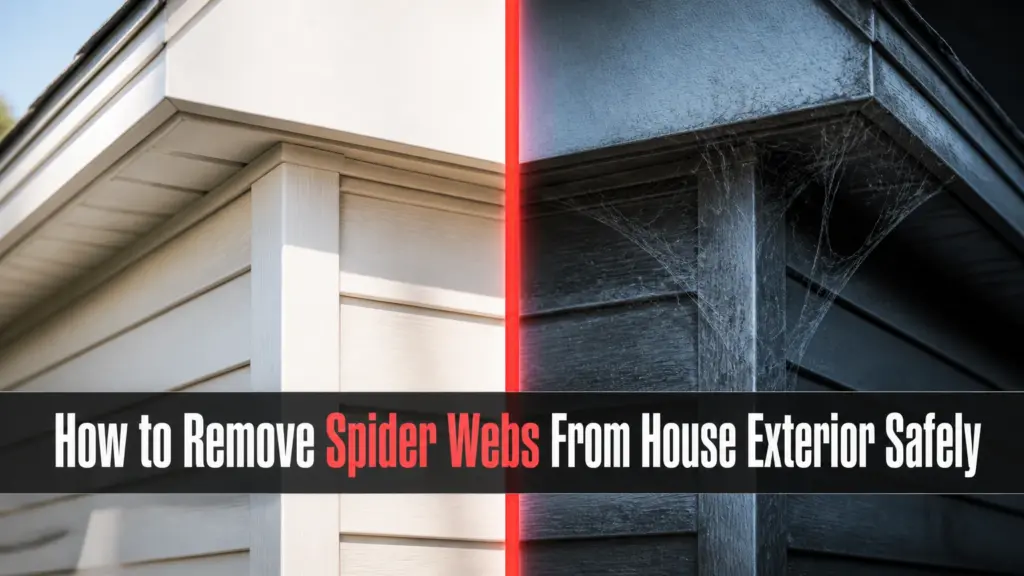
To remove spider webs from a house exterior, first dry-brush webs and egg sacs from eaves, siding, windows, and light fixtures, then clean residue with a surface-safe solution and rinse gently. Finish by reducing outdoor insect attraction and applying only a labeled exterior treatment where needed. A typical cleaning takes 30-90 minutes. Key Facts / […]
What Causes Oxidation on Vinyl Siding, Explained
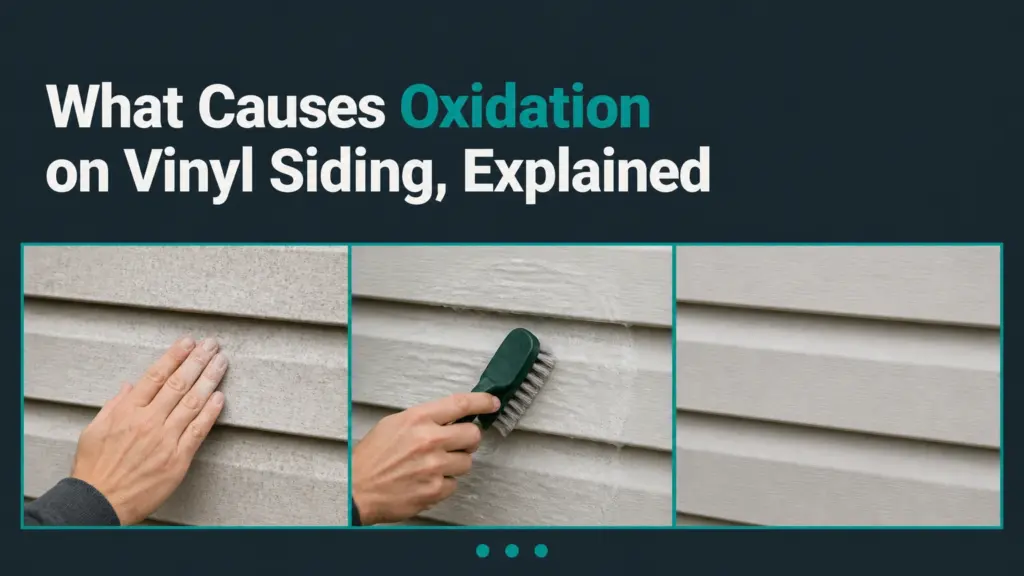
Vinyl siding oxidation is surface degradation of polyvinyl chloride (PVC) caused mainly by ultraviolet sunlight, oxygen, heat, and weather exposure. UV energy initiates chemical changes in the outer PVC layer, while oxygen and depleted stabilizers allow the reaction to continue, producing chalky residue, fading, roughness, and eventually brittleness. Key Facts at a Glance What Causes […]
How Trees Contribute to Roof Algae Growth: Causes and Fixes
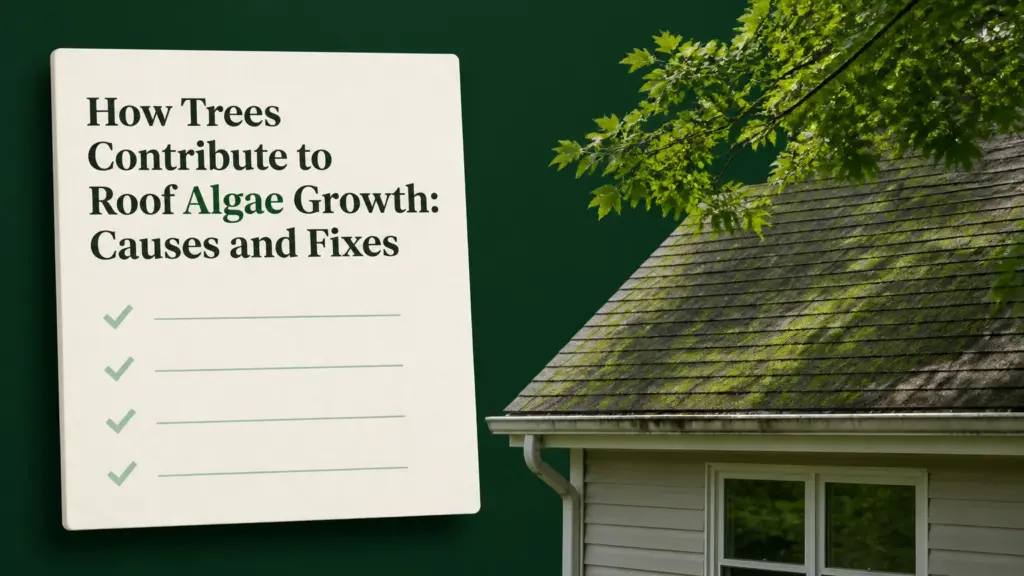
Trees contribute to roof algae growth by shading roofing, reducing wind-driven drying, dropping moisture-holding debris, and helping airborne or waterborne cells reach shingles. Trees do not create Gloeocapsa magma, the cyanobacterium commonly called roof algae, but nearby canopies can extend surface wetness long enough for colonies to establish and form dark runoff streaks. Key Facts […]
Why Does Lichen Grow on Roof Tiles? Causes and Risks
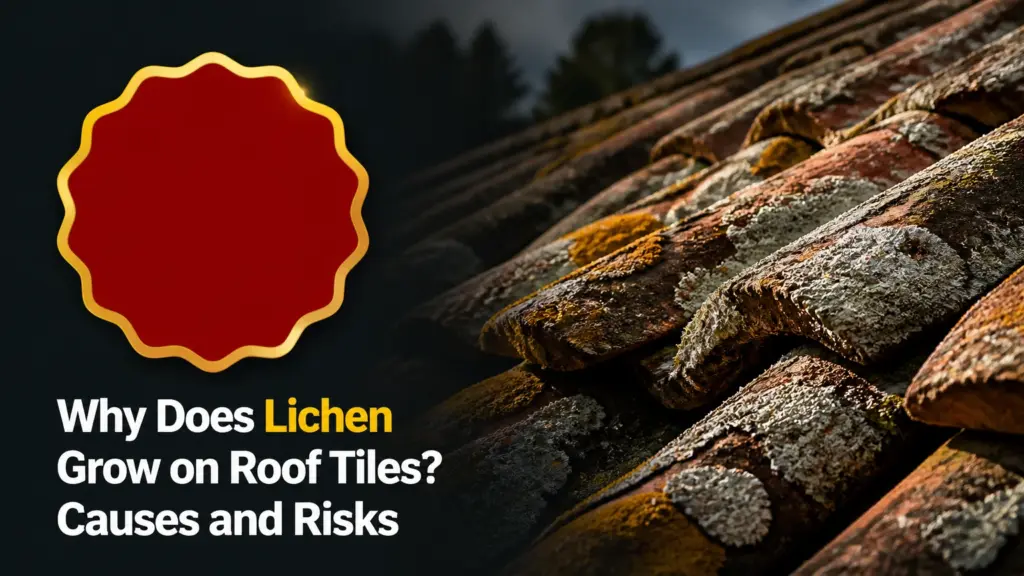
Lichen grows on roof tiles because the tile surface provides a stable, rough anchor that collects moisture, airborne minerals, dust, and organic particles. Lichen is a partnership between a fungus and a photosynthetic alga or cyanobacterium, so it can colonise concrete, clay, slate, and other mineral surfaces without ordinary garden soil. Key Facts at a […]
Does Roof Algae Affect Shingle Lifespan? The Real Answer
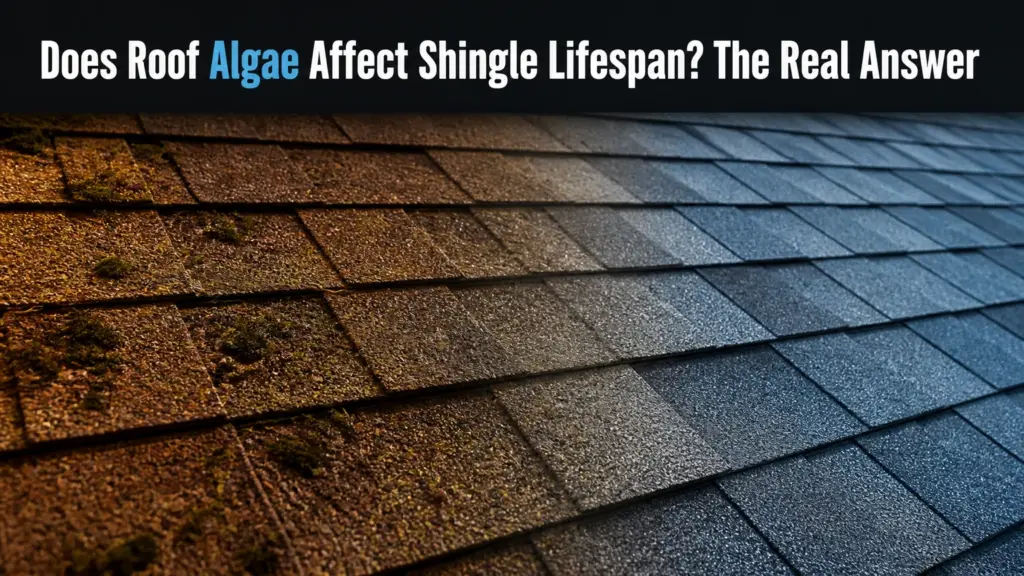
Roof algae can shorten asphalt-shingle service life indirectly, but black streaks alone do not prove that shingles are being structurally destroyed. The main risks are retained moisture, accelerated granule loss, reduced drying, and progression to moss or lichen. A roof’s age, ventilation, climate, slope, and existing wear determine whether cleaning is worthwhile. Key facts at […]
Signs of Improper Roof Cleaning: Damage Checklist
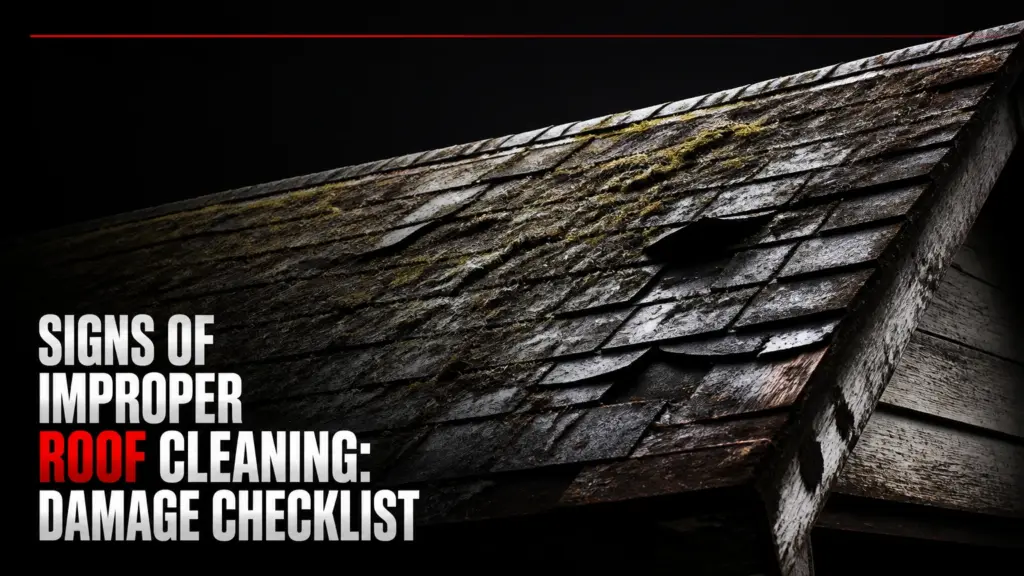
Signs of improper roof cleaning include exposed asphalt, abnormal granules in gutters, broken or displaced roofing materials, bleached patches, corroded metal, dead landscaping, interior leaks, and algae returning within months. The underlying causes are usually excessive pressure, aggressive chemicals, upward water spray, abrasive tools, unsafe foot traffic, or inadequate rinsing. Key Facts at a Glance […]
How Humidity Affects Roof Algae Growth: Causes and Fixes
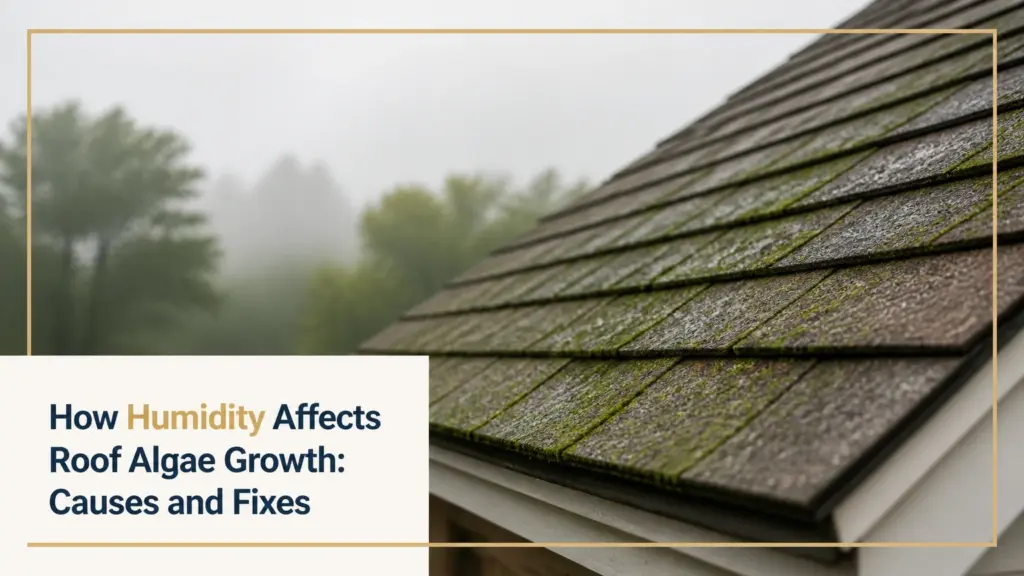
Humidity affects roof algae growth by slowing evaporation and extending the wet periods that airborne cyanobacteria need to establish colonies. The common black-streak organism, often identified as Gloeocapsa magma, grows fastest where humid air combines with shade, dew, poor airflow, and porous mineral surfaces. Relative humidity above 60-70% increases risk, but it is not a […]
How Long Should a Roof Dry After Cleaning? Safe Timelines
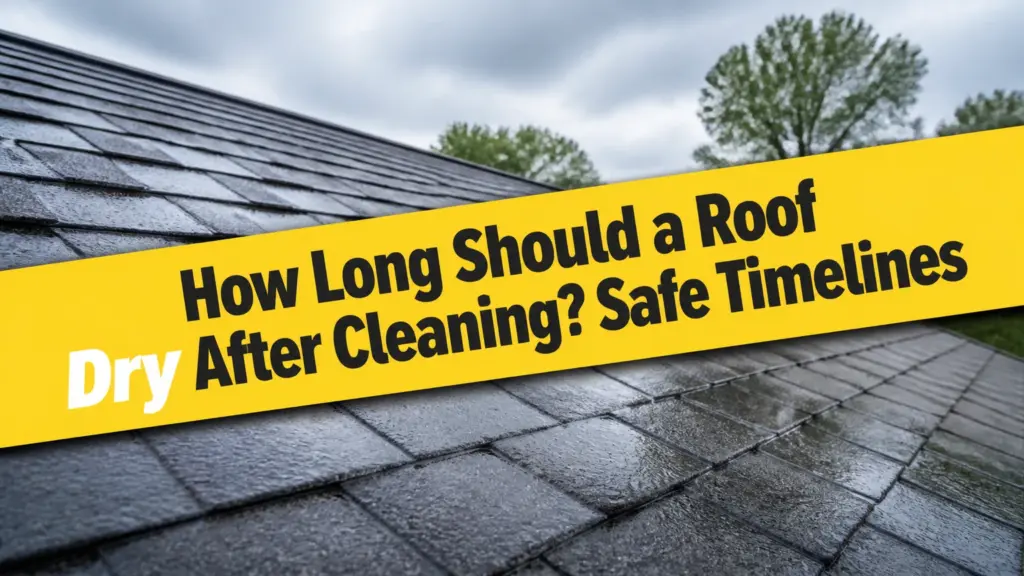
A roof should usually dry for 24-48 hours after cleaning before a compatible sealant, paint, or protective treatment is applied. Concrete tile, wood shingles, deep shade, high humidity, cool temperatures, and water trapped beneath laps can extend the period to 48-96 hours. The correct endpoint is dry material, not merely a dry-looking surface. Key Facts […]