Solar Panel Cleaning Before System Inspection: Safe Steps
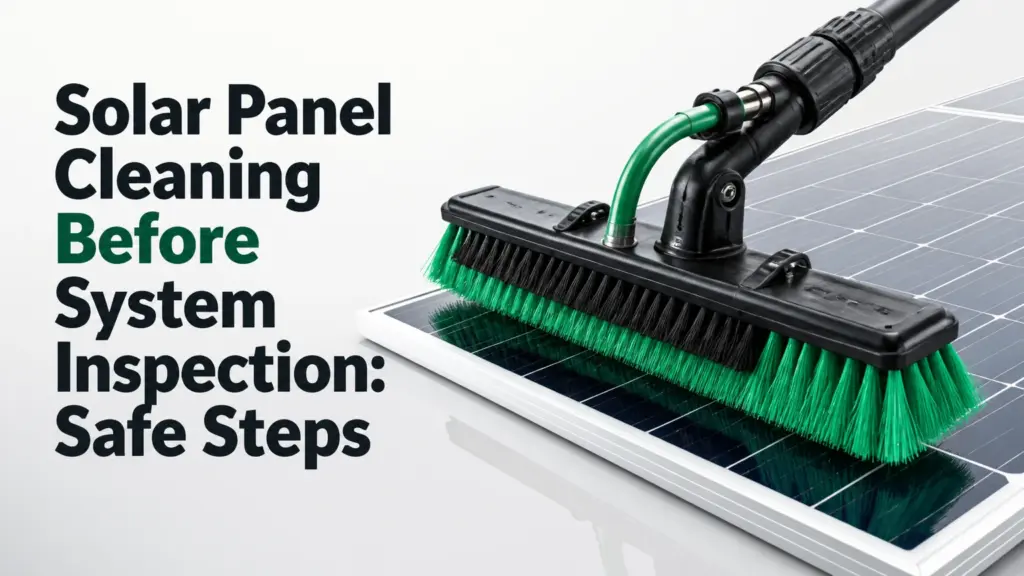
Solar panel cleaning before system inspection removes surface soiling that can obscure glass damage, distort infrared images, and reduce measured electrical output. Clean modules give an inspector a more defensible visual, thermal, and performance baseline, provided the array is cleaned safely, allowed to dry, and tested under suitable irradiance. Key Facts at a Glance Clean […]
How Often Should Residential Windows Be Cleaned? A Seasonal Plan
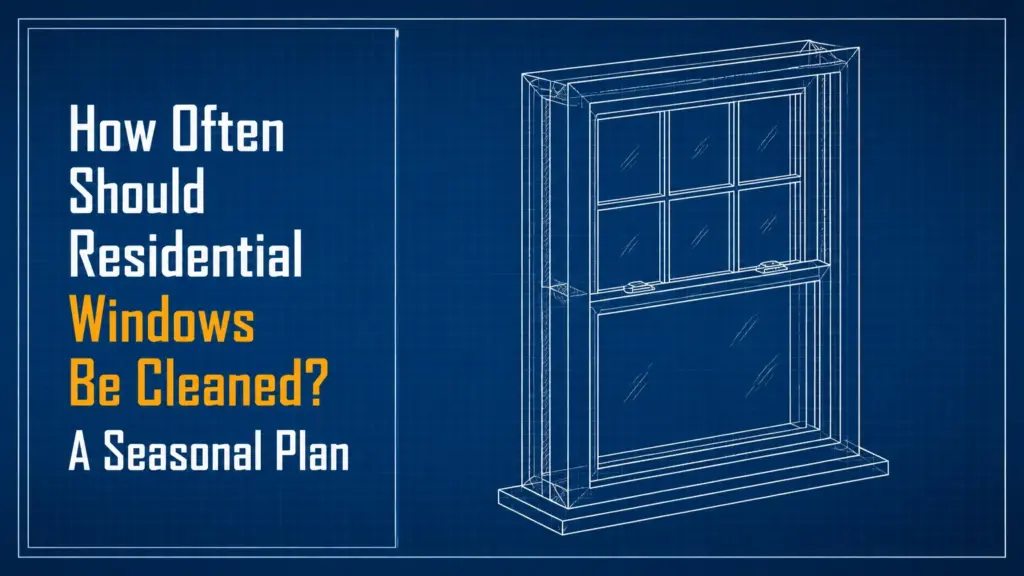
Residential windows should usually be cleaned twice a year, once in spring and once in autumn, but homes near saltwater, heavy traffic, dense trees, or active children and pets often need cleaning every 1-3 months. The correct schedule depends on exterior exposure, visible buildup, window materials, and whether interior and exterior glass are cleaned separately. […]
What Causes Cloudy Exterior Windows? Diagnose the Cause
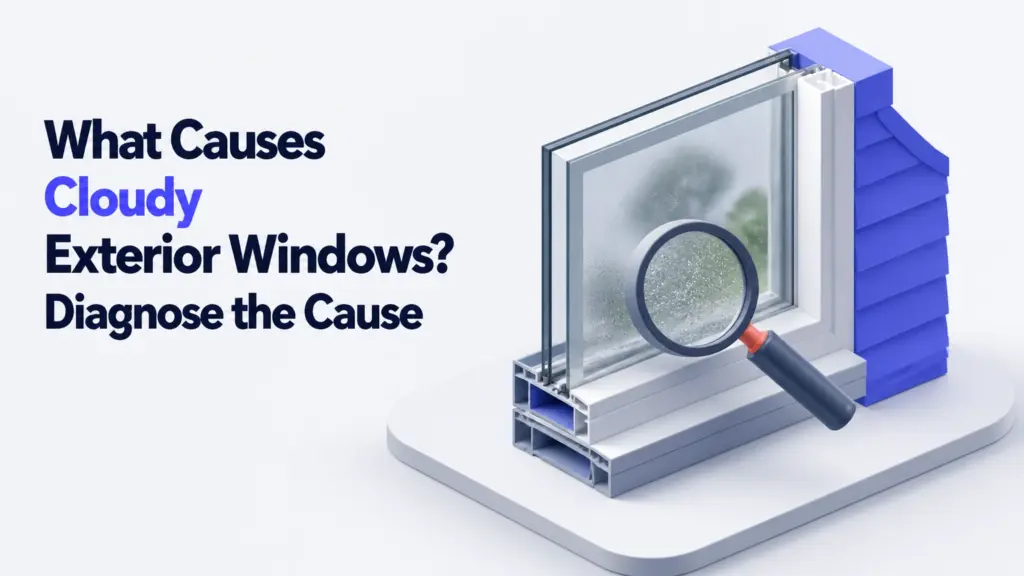
Cloudy exterior windows are usually caused by exterior condensation, hard-water mineral deposits, chemical glass etching, or haze trapped between insulated glass panes. The fastest distinction is location: moisture or residue on the outside can often be removed, while fogging between double- or triple-pane glass usually indicates a failed insulating-glass-unit seal. Key Facts Exterior condensation forms […]
How Bird Droppings Reduce Solar Panel Output: Causes and Fixes
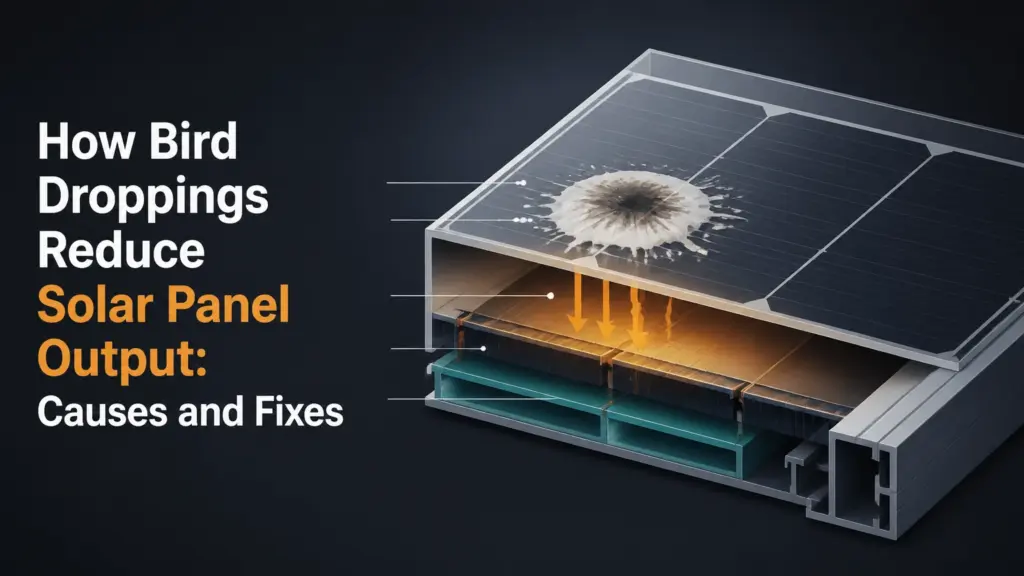
Bird droppings reduce solar panel output by creating opaque, localized shading on one or more photovoltaic cells. Because cells are electrically connected in series within substrings, a shaded cell can limit current, activate a bypass diode, and create a hot spot; the actual loss depends on deposit location, module design, inverter architecture, and whether damage […]
How Pollen Buildup Affects Solar Panels: A Practical Guide
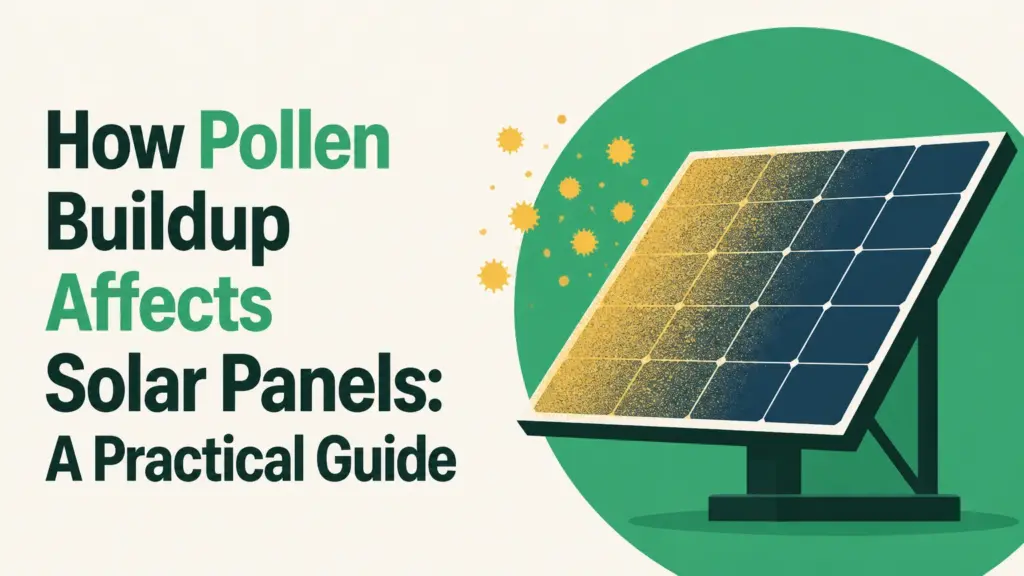
Pollen buildup affects solar panels by creating an organic soiling layer that absorbs, scatters, and blocks sunlight before it reaches photovoltaic cells. The resulting loss usually appears first as lower current and energy production, while voltage remains comparatively stable. Dew, light rain, dust, and heat can turn loose pollen into a tenacious residue that ordinary […]
How Pollen Affects Exterior Windows: Prevent Glass Damage
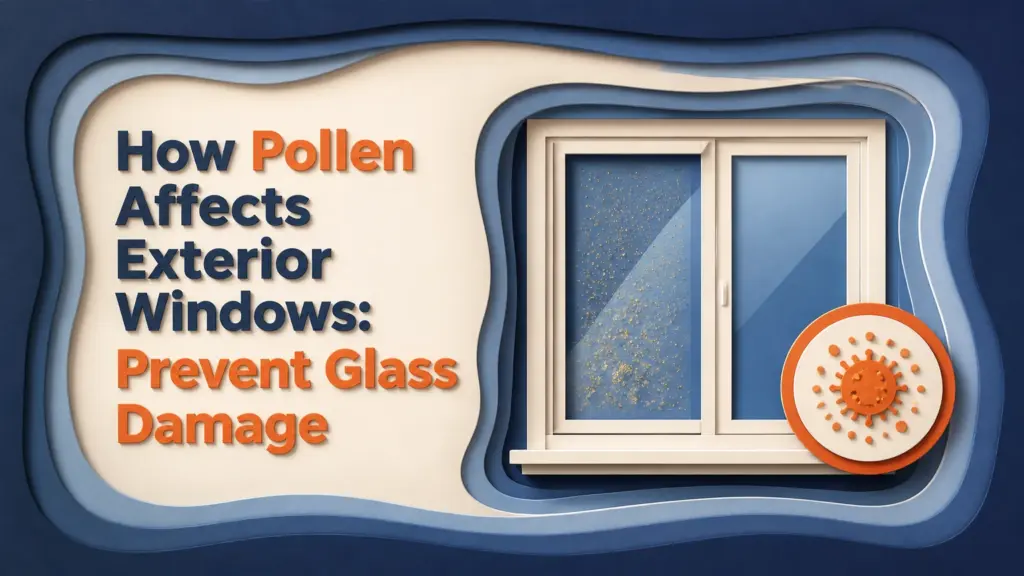
Pollen affects exterior windows mainly by forming a sticky, light-scattering film that bonds with moisture, dust, and airborne pollution. The residue can stain glass, clog screens and drainage tracks, and accelerate grime around seals, but ordinary pollen is not usually acidic enough to etch sound glass within 24-48 hours. Prompt water-based cleaning prevents most problems. […]
Why Window Screens Collect So Much Dirt: The Filter Effect
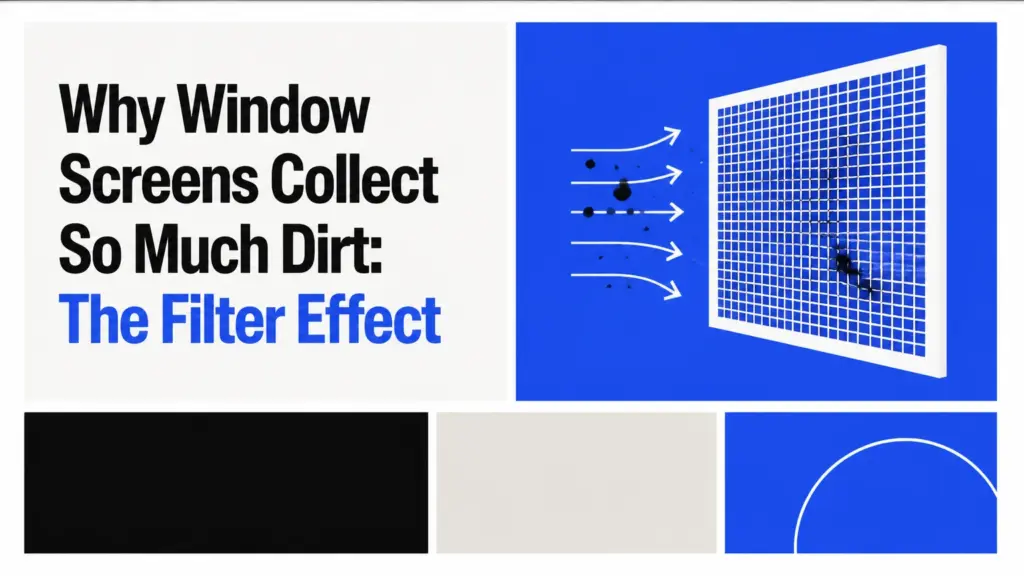
Window screens collect so much dirt because a window screen is an outdoor-facing particle collector: moving air carries pollen, dust, soot, fibers, and moisture into its mesh, where fibers intercept particles and wet residue dries in place. Screen geometry creates far more catching surface than flat glass, so screens can look dirty even when nearby […]
Solar Panel Cleaning After Wildfire Smoke: Safe Steps
Solar panel cleaning after wildfire smoke should begin with a safety inspection, loose-ash removal, and a cool low-pressure wash using a soft nonabrasive brush. Clean only when panels are cool enough to handle safely, avoid roof work without fall protection, and verify system output against a pre-fire baseline after the array dries. Key Facts at […]
How Mineral Deposits Affect Solar Panels: Causes and Fixes
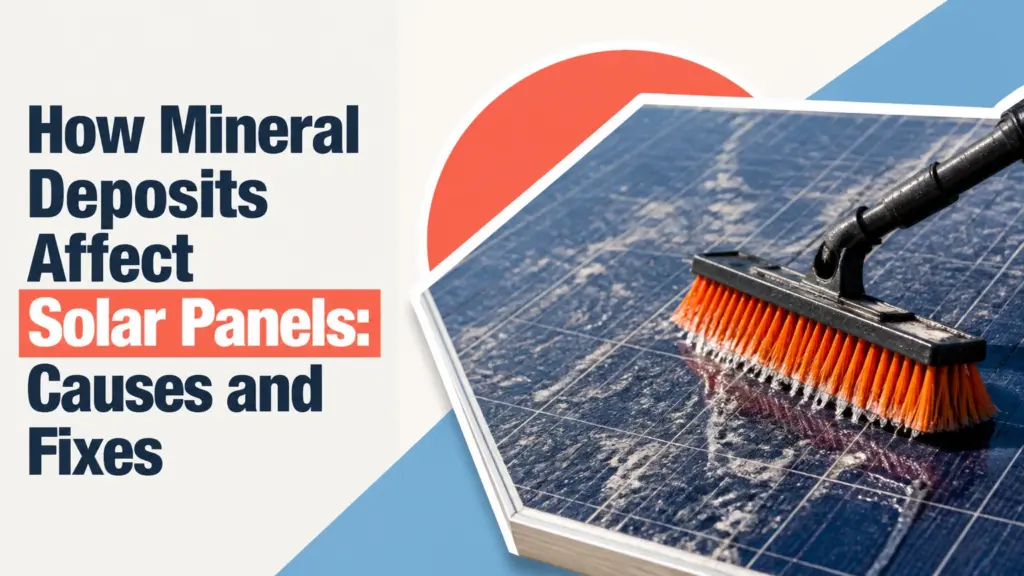
Mineral deposits affect solar panels by forming a light-blocking residue on the front glass, which reflects and scatters sunlight before it reaches the photovoltaic cells. The resulting energy loss depends on deposit coverage, thickness, chemistry, panel tilt, and whether the residue also stains or etches the anti-reflective surface. Key Facts at a Glance What Are […]
Best Time of Day for Exterior Window Cleaning: Avoid Streaks
The best time of day for exterior window cleaning is early morning or late afternoon, preferably under bright overcast skies. Exterior glass should feel cool, remain shaded, and have enough drying time before evening moisture or rain arrives. Avoid direct sun on the pane because rapid evaporation leaves soap, minerals, and streaks behind. Key Facts […]